Category: Planning Guides

  • Hoyo de Pelempito Cloud Forest Guide

    Hoyo de Pelempito Cloud Forest Guide

    Hidden deep within the Sierra de Bahoruco National Park, Hoyo de Pelempito is one of the Dominican Republic’s most dramatic geological wonders. A massive depression dropping 2,300 feet (700 meters) below sea level, it features a unique cloud forest ecosystem surrounded by pine trees and cool mountain air. This guide covers how to plan your hike, what to wear, and travel time specs from the port.

    A Unique Geological Phenomenon

    The “Hoyo” (hole) was formed millions of years ago by the collapse of a massive subterranean cave system. Today, it stands as a dramatic canyon enclosed by sheer limestone cliffs. Because of its elevation (reaching up to 1,300 meters above sea level), the temperature here is significantly cooler than the coast, often dropping to 15°C (60°F) in the shade.

    Getting to Hoyo de Pelempito from Port Cabo Rojo

    The journey to Pelempito is an adventure in itself. From Port Cabo Rojo, it takes approximately 1.5 hours to drive to the park entrance, ascending winding mountain roads that transition from dry cactus forest to lush pine highlands. A sturdy 4×4 vehicle is required to navigate the final gravel tracks leading to the visitor center.

    Hiking Trails and Lookout Point

    The park features a well-maintained visitor center perched on the edge of the canyon cliff. From the observatory deck, you can look down into the vast green abyss. There are several trails to explore, including:

    • The Observatory Trail: An easy 10-minute walk from the parking area to the main lookout deck. Fully accessible.
    • The Pine Forest Loop: A moderate 1.5-hour hike through the high-altitude pine forests, offering birdwatching opportunities for endemic species like the Hispaniolan Trogon.

    Cruisers: Crucial Timing & Road Buffers

    Since Hoyo de Pelempito is inland and requires a 90-minute drive each way, it should only be booked if your ship is in port for at least 7–8 hours. Always travel with a certified local guide who can monitor vehicle performance and road conditions in the mountains.

  • Best Things to Do Near Port Cabo Rojo

    Best Things to Do Near Port Cabo Rojo

    While Port Cabo Rojo offers excellent facilities, the surrounding region of Pedernales is filled with incredible natural and cultural attractions. If you want to explore beyond the port gates, here is a guide to the best things to do within a short distance of the cruise terminal.

    Beyond the Port Walls

    Exiting the port area reveals a wild, dry tropical landscape flanked by the sparkling Caribbean Sea. While taxis are available, arranging a guided tour or private transport in advance is recommended to make the most of your day.

    Relax at Nearby Beaches

    You don’t have to travel far for beautiful sands. Baby Beach is located right next to the port area, offering safe shallow waters and a relaxed beach day. Alternatively, local beach clubs at Cabo Rojo beach are within a 10-minute drive.

    Explore the Local Town of Pedernales

    Located about 20 minutes north, the border town of Pedernales offers a look at authentic Dominican life. Walk through the central park, shop for local goods, and try fresh seafood at local beachfront restaurants.

    Discover Romeo Pozos freshwater Cenotes

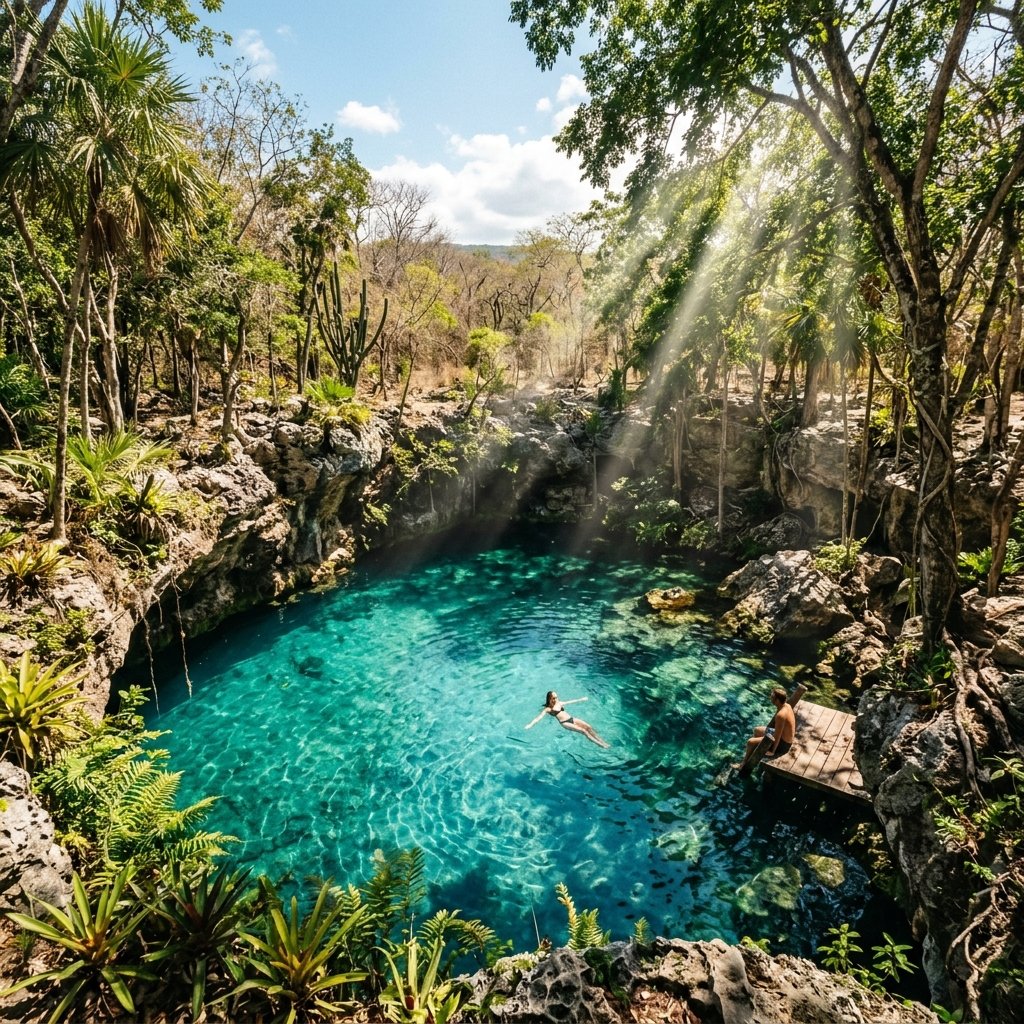
    Located along the highway, the Pozos de Romeo are a series of natural freshwater sinkholes hidden in the dry forest. These cenotes offer a refreshing swim in crystal-clear water and are a favorite quick stop for nature photography.

  • Port Cabo Rojo Cruise Terminal Guide

    Port Cabo Rojo Cruise Terminal Guide

    Welcome to Port Cabo Rojo, the Dominican Republic’s newest state-of-the-art cruise gateway. Located in the remote Pedernales province on the southwestern coast, this newly opened port is designed to handle the world’s largest cruise lines. It connects visitors directly with pristine ecological wonders and wild frontiers. This guide covers facilities, shopping, currency, and transportation.

    A Brand New Gateway to Pedernales

    Designed with a focus on local culture and sustainable architecture, Port Cabo Rojo acts as a gateway to the Pedernales province. The terminal is designed to accommodate multiple cruise vessels simultaneously, providing a smooth embarkation and disembarkation experience for passengers.

    What Facilities Are Inside the Port?

    Inside the port area, you will find modern facilities including:

    • Welcome Square: A beautifully landscaped area with regional plant life and information booths.
    • Local Craft Market: Meet local artisans selling handmade crafts, Larimar jewelry, and Dominican coffee.
    • Swimming Pools & Lounge Chairs: Relax directly at the port area if you prefer a low-key day.
    • Duty-Free Shops: Shop for international brands, rum, cigars, and souvenirs.
    • Restaurants & Bars: Taste traditional Dominican dishes like Sancocho, La Bandera, and fresh seafood.

    Currency, Language, and Practical Tips

    Here are some practical tips for visiting Port Cabo Rojo:

    • Currency: Dominican Pesos (DOP) are local, but US Dollars and major credit cards are widely accepted at the port and major tour bases.
    • Language: Spanish is local, but port staff and tour guides are bilingual (English/Spanish).
    • Climate: The region is tropical and dry. Sunscreen, hats, and plenty of water are absolute essentials.

    Connecting to Shore Excursions

    All pre-booked tour operators pick up passengers directly near the cruise terminal exit or designated tour bus zones. It is highly recommended to book excursions in advance, as local transportation options at the gate can be limited in this emerging destination.

  • How to Visit Bahía de las Águilas

    How to Visit Bahía de las Águilas

    Prepare to be awed by Bahía de las Águilas (Eagle Bay), a legendary 8-kilometer stretch of completely untouched white-sand beach inside the Jaragua National Park. Widely considered the most beautiful beach in the Dominican Republic, this protected sanctuary has zero hotels, restaurants, or commercial construction. Here is everything you need to know about planning your visit.

    An Untouched Paradise in Jaragua National Park

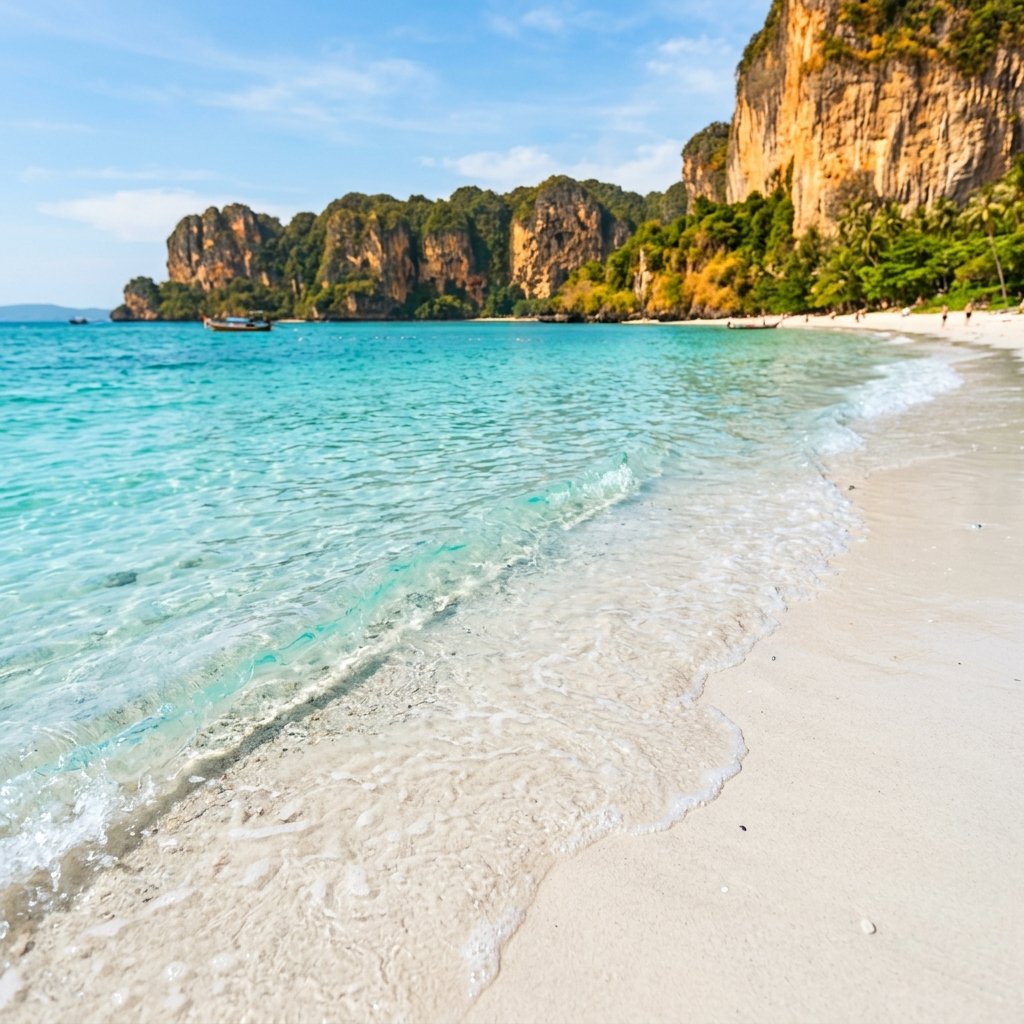
    Bahía de las Águilas remains pristine because of its protected status. The beach features powder-soft white sands, crystal-clear turquoise waters, and unique limestone cliff formations. It is a true eco-paradise that offers visitors a raw, authentic connection with nature.

    Getting to Bahía de las Águilas

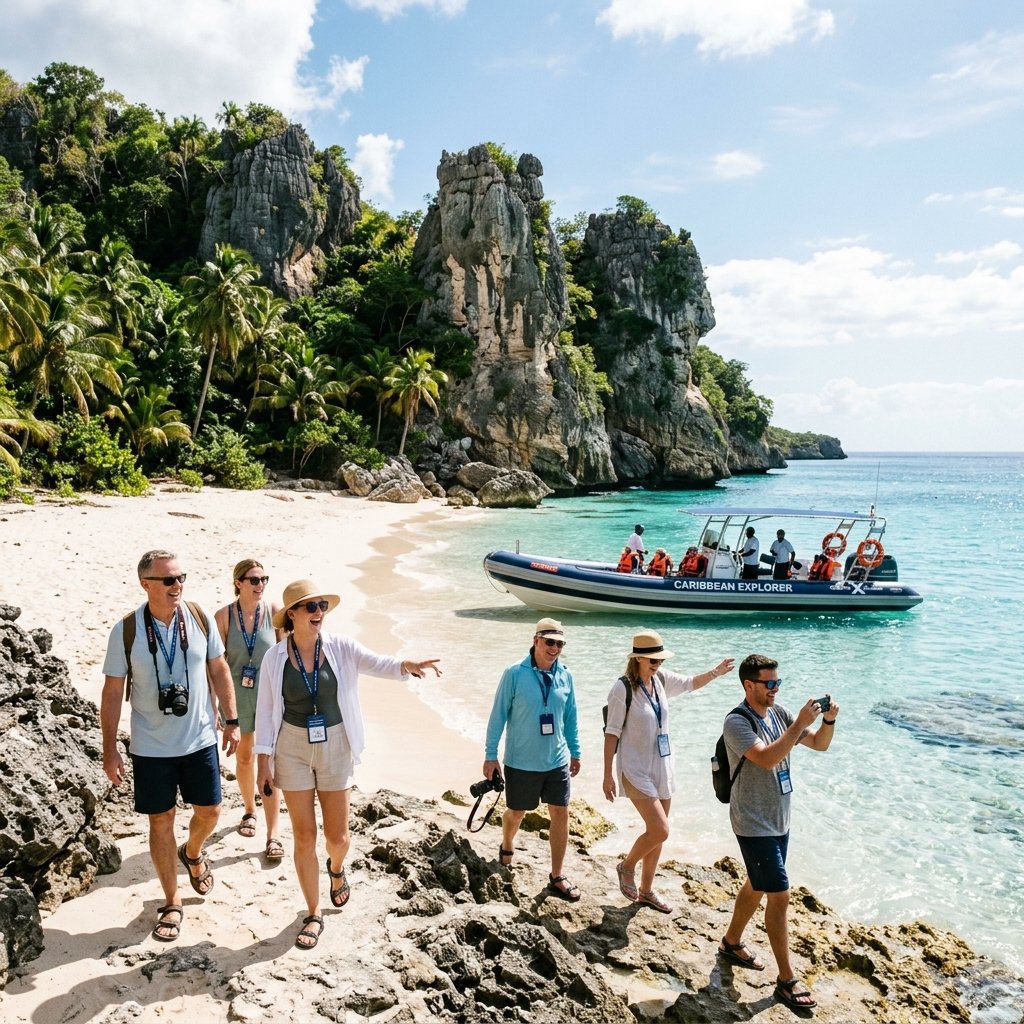
    Most shore excursions drive you from Port Cabo Rojo to the coastal fishing village of Las Cuevas. From there, you board speedboats for a scenic 15-minute ride along dramatic limestone cliffs directly into the bay. Alternatively, off-road 4×4 vehicles can navigate the dry forest trails, but speedboats are the fastest and most popular route.

    What to Bring for a Pristine Beach Day

    Since the beach is entirely undeveloped, there are no natural shade trees or facilities. It is highly recommended to bring:

    • Sunscreen (reef-safe preferred) and UV-blocking clothing.
    • A wide-brimmed hat and sunglasses.
    • Plenty of fresh drinking water for hydration.
    • Umbrellas or pop-up tents for shade (usually provided by booking partners).
    • Snorkeling gear to explore the clear shallow waters.

    Cruisers: Safety Buffers & Scheduling

    Because Bahía de las Águilas is remote, it demands careful planning. Ensure your cruise ship is in port for at least 8 hours to allow for travel time, boat transfers, beach relaxation, and a reliable return-to-ship safety buffer of 90–120 minutes.

  • Laguna de Oviedo Wildlife Guide

    Laguna de Oviedo Wildlife Guide

    Laguna de Oviedo is the second-largest body of water in the Dominican Republic and a core sanctuary within the UNESCO Jaragua-Bahoruco-Enriquillo Biosphere Reserve. Teeming with incredible biodiversity, this saltwater lagoon is a haven for birdwatchers and nature lovers. From wild pink American Flamingos to massive prehistoric iguanas, here is how to plan your wildlife encounters.

    A Haven for Birdwatchers and Wildlife Enthusiasts

    The lagoon features a unique ecosystem due to its high salinity levels (nearly three times that of the sea). This supports a rich food chain of algae, small fish, and crustaceans that attracts hundreds of species of native and migratory birds.

    Top Wildlife Encounters in the Lagoon

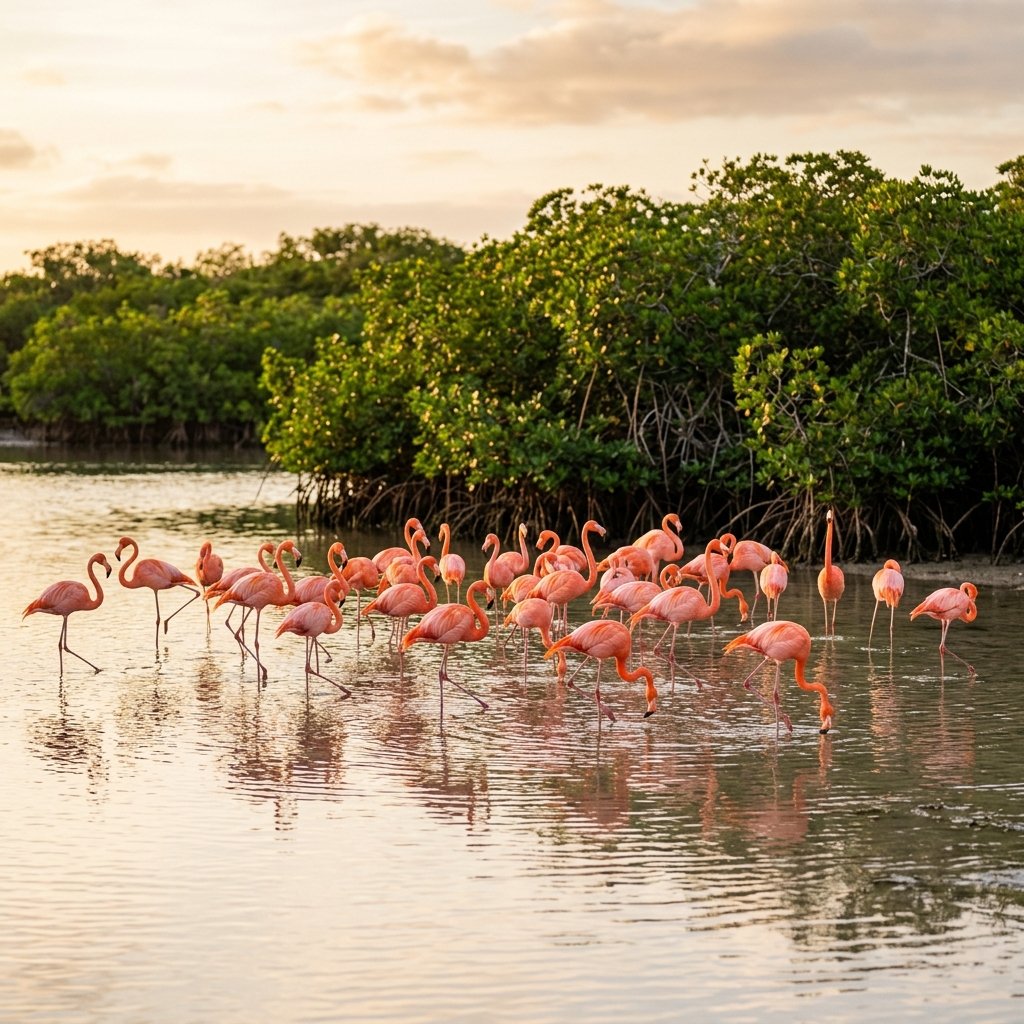
    • Pink American Flamingos: Watch large flocks of wild flamingos filter-feeding in the shallow flats of the lagoon. They are most active in the morning.
    • Rhinoceros Iguanas: Take a boat ride to “Cayo de las Iguanas,” a small mangrove island inside the lagoon where hundreds of these prehistoric-looking iguanas live. They are accustomed to visitors and will walk right up to you!
    • Waterbirds: Spot nesting colonies of herons, egrets, pelicans, roseate spoonbills, and frigatebirds flying over the mangrove islands.

    Navigating the Mangrove Forests

    The lagoon is surrounded by dense mangrove forests, including red, black, white, and buttonwood mangroves. These act as natural breeding grounds for local marine life and birds. Visitors navigate the quiet channels on flat-bottom boats powered by quiet motors or oars to minimize disruption.

    Responsible Eco-Tourism Guidelines

    To protect this delicate habitat, all tours must be accompanied by certified local park naturalists. Always keep a respectful distance from nesting birds, avoid feeding the iguanas, and bring binoculars and zoom lenses for the best close-up views!

  • Cabo Rojo Shore Excursion Planning Guide

    Cabo Rojo Shore Excursion Planning Guide

    Planning shore excursions in Cabo Rojo, Pedernales requires a different approach than established Caribbean ports. Because the region is a remote eco-tourism frontier with limited operators, advance booking, vehicle reliability, and schedule synchronization are key to a safe and memorable cruise day.

    An Emerging Eco-Tourism Frontier

    Unlike ports with mass tourism complexes, Cabo Rojo is surrounded by national parks and protected areas. This means tour sizes are smaller, paths are natural, and access is tightly regulated. Booking in advance ensures you secure a spot with a certified operator.

    How to Synch Excursions with Your Ship Schedule

    Verify your ship’s exact arrival and all-aboard port times. A reliable booking partner checks live ship tracking and adjusts pickup times accordingly. Always confirm that your excursion fits comfortably within your port window.

    Understanding Route Times & Safety Buffers

    Cabo Rojo’s top attractions require driving on a mix of highways and unpaved national park roads. For example, a trip to Bahía de las Águilas involves a 45-minute drive followed by a speedboat transfer. To account for transit variables, every tour must have a built-in safety margin of at least 60–120 minutes before ship departure.

    Booking Policies: Cancellation & Back-to-Ship Guarantees

    Ensure your chosen booking partner offers:

    • Free Cancellation: Up to 24 hours in advance in case your plans change.
    • Missed Port Policy: Full refund if your ship cannot dock due to weather.
    • Back-to-Ship Guarantee: Assurance and logistics support to get you back to the port on time.